Commercial Moves in London
When a business is changing premises, expanding into a bigger office, relocating a retail unit, or moving an entire workplace across the city, Commercial Moves in London need more than a van and a few boxes. They need planning, timing, careful handling, local knowledge, and a team that understands how London really works. From tight stairwells in period buildings to busy loading bays in modern developments, a well-managed move can make the difference between a smooth transition and a stressful shutdown.
Whether you are moving a small startup from a shared workspace, a professional practice from a central office, or a larger organisation with specialist equipment and multiple departments, the process needs to be organised around your business hours, your building access rules, and your equipment. A good commercial removals service helps reduce disruption, protect assets, and keep your team focused on the work that matters most.
London is a city with unique moving challenges. Boroughs like Westminster, Camden, Islington, Southwark, Tower Hamlets, Kensington and Chelsea, Hackney, Lambeth, and the City all come with different access conditions, parking restrictions, building management rules, and traffic pressures. That is why local commercial relocation support is so valuable: it is not just about transport, but about understanding how to move efficiently in a complex urban environment.
Why businesses choose commercial moves in London

Businesses in London move for many reasons. Some are growing and need more desks, storage, or meeting rooms. Others are consolidating several sites into one. Some want to be closer to clients, transport links, or suppliers. Whatever the reason, a carefully planned move can help your business settle quickly into its new space without unnecessary downtime.
Commercial moves in London are often about more than shifting furniture from one place to another. They may involve dismantling workstations, disconnecting and reconnecting office equipment, moving filing systems, transporting archives, handling retail fixtures, or relocating sensitive items that need extra care. In many cases, the move also needs to happen outside normal trading hours so staff, customers, or tenants are not inconvenienced.
Using a local team means you benefit from people who understand London roads, access windows, local parking rules, congestion patterns, and the practical realities of loading in busy areas. That local knowledge can save time and reduce last-minute problems on moving day.
Types of commercial removals we support
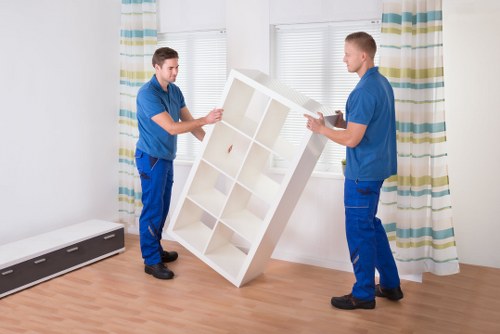
Commercial relocation work can cover a wide range of property types and business sectors. No two moves are the same, which is why a flexible service matters. Common examples include:
- Office moves for small businesses, large teams, and multi-floor workplaces
- Retail shop relocations, including fixtures, shelving, stock, and display items
- Warehouse and storage moves for stock, equipment, and shelving systems
- Professional practices such as legal, financial, design, and medical offices
- Hospitality spaces, including cafés, bars, and restaurant support areas
- Educational and training facilities with desks, chairs, technology, and records
- Public sector and community organisation moves
- Light industrial and specialist business relocations
Many London businesses also need assistance with internal moves, such as reshuffling departments, moving teams between floors, or reconfiguring a workspace during refurbishment. These smaller but still important jobs can be just as disruptive if they are not handled properly.
In older properties across areas such as Bloomsbury, Marylebone, Clerkenwell, and parts of Southwark, narrow access, stairs, and limited lift availability can make moving particularly challenging. In newer developments around Canary Wharf, Stratford, Battersea, and King’s Cross, the issue may be strict building rules, booked loading bays, or timed access slots. A reliable commercial moving team plans around both scenarios.
What is included in a commercial move

A professional service for Commercial Moves in London should be tailored to your business needs. While every move is different, the service often includes several core stages designed to reduce disruption and keep everything organised.
Typical inclusions may involve:
- Initial discussion to understand the size, timing, and requirements of the move
- Site assessment or move planning based on access, parking, and floor layout
- Supplying packing materials or advising on suitable packing methods
- Careful packing of office items, equipment, and documents where required
- Dismantling and reassembly of desks, shelving, and selected furniture
- Labelling and organised loading so items are easy to place at the new site
- Transport in suitable vehicles for commercial loads
- Unloading and placement in the correct rooms or zones
- Help with fragile, bulky, or awkward items that need extra handling
Depending on the move, you may also need support with archive boxes, IT equipment, secure files, plant pots, retail display fittings, or stock transfer. If your business has specialist items, it is worth discussing them early so the move can be scheduled with the right approach.
Important: some businesses prefer a full-service move, while others only need transport and loading support. Both options can work well when the plan matches the scope of the job.
How the moving process works
A clear process helps keep your relocation on track. For London businesses, timing is often critical because buildings may have access restrictions, roads can be busy, and your team may need to resume work quickly. The aim is to create a move that is efficient, controlled, and easy to coordinate.
The first step is usually to discuss the size of your workplace, the kind of items being moved, and your preferred dates. From there, the move can be organised around your building’s rules, your staff availability, and any special requirements such as out-of-hours access. This is especially useful for offices in central locations where daytime activity is limited or parking is difficult.
Next comes preparation. That may include packing, labelling, identifying priority items, and deciding what needs dismantling or protective wrapping. On the day of the move, the crew should arrive with a plan for loading, route handling, and placement at the new premises. After unloading, key items are set into their designated spaces so staff can settle in as quickly as possible.
Step-by-step commercial relocation

A practical office or business move often follows a sequence like this:
- Planning and survey: assess access, floor layouts, item volume, and special requirements.
- Preparation: label boxes, disconnect suitable equipment, and separate priority items.
- Packing and protection: wrap sensitive items, secure loose parts, and prepare furniture for transport.
- Loading: move items safely into vehicles using an organised system.
- Transport: complete the journey with awareness of London traffic, access windows, and parking limits.
- Unloading: place items into the correct rooms or zones at the destination.
- Setup: reassemble selected items and position furniture according to the plan.
This structure helps reduce confusion and avoids the common problem of arriving at the new premises with boxes and furniture but no clear idea of where each item belongs. A well-managed move saves time in the first days after relocation, when every hour matters.
For businesses that need to stay open during a move, staged relocation can be especially useful. That means moving teams, assets, or departments in phases so operations continue with minimal interruption.
Preparation checklist before moving day
Good preparation is one of the best ways to keep a commercial move running smoothly. The more organised the planning stage, the easier it is for your team and the removals crew to work efficiently. A simple checklist can help prevent delays and reduce the chance of items being misplaced.
Before your move, consider the following:
- Confirm your move date and access times with your building management
- Arrange parking or loading bay permissions where needed
- Label boxes by department, room, or priority level
- Back up important files and protect sensitive data
- Notify staff about packing deadlines and item responsibilities
- Identify fragile, high-value, or specialist equipment in advance
- Separate items that should not be moved or that require disposal
- Make sure lift access, keys, and entry details are ready for the moving team
- Prepare the new site with signage or a basic floor plan if possible
If your business is in a busy London area such as Holborn, the Strand, Shoreditch, Paddington, or Victoria, it is particularly sensible to arrange access details in advance. Busy streets, restricted bays, and controlled entrances can all affect how the move is completed.
One of the easiest ways to reduce moving-day pressure is to keep essential documents, laptops, and daily-use equipment separate from general office contents. That way, your team can continue working with minimal interruption even while larger items are in transit.
Pricing factors for commercial moves in London

Every move is different, so the cost of a business relocation depends on several practical factors rather than a one-size-fits-all approach. London jobs can vary significantly based on building type, volume, timing, and access conditions.
Common pricing factors include:
- The size of the move and the number of items involved
- The distance between the old and new premises
- Whether packing, dismantling, or reassembly is required
- The complexity of access at either location
- Parking restrictions and waiting time
- Out-of-hours or weekend scheduling
- Special handling needs for fragile or valuable equipment
- The number of floors, lifts, or stairs involved
- Any additional storage or phased moving requirements
For example, a small office move within South London may be quite straightforward if both properties have good access and loading arrangements. By contrast, a larger move from a fourth-floor office in central Westminster to a new space in Canary Wharf may require more detailed planning because of lift bookings, traffic, and timing.
It is always sensible to request a clear quote based on the actual job rather than assuming a rough estimate will cover everything. That helps you budget properly and understand what is included.
Why choosing a local London commercial removals company matters
There are many reasons to work with a team that knows London well. Local knowledge can save time, reduce stress, and improve the overall move experience. A company that regularly handles business relocations in the capital will be familiar with the different demands of central, east, north, south, and west London.
Local expertise is particularly useful for:
- Understanding controlled parking zones and loading restrictions
- Planning around congestion and busy commuter times
- Coordinating with building management and concierge teams
- Handling narrow streets, one-way systems, and access limitations
- Working in older properties with awkward staircases or limited lift access
- Managing moves in modern office buildings with strict time slots
London also has a wide mix of property styles. A commercial move in a converted townhouse in Mayfair or Fitzrovia will look very different from a move in a business park in Hounslow or a warehouse unit in East London. The right team adapts to the site rather than forcing a standard process onto every job.
Local companies are also often easier to schedule for short-notice changes, phased moves, or repeat business relocations. That flexibility can be especially helpful for growing firms, landlords, facilities teams, and businesses with changing operational needs.
Areas covered across London
Commercial moves are often required across a wide area, and many businesses need support that reaches beyond one postcode or borough. A reliable service should be able to cover central, north, south, east, and west London, along with surrounding commercial districts.
Areas commonly covered include:
- The City of London
- Westminster
- Camden
- Islington
- Southwark
- Lambeth
- Tower Hamlets
- Hackney
- Kensington and Chelsea
- Hammersmith and Fulham
- Wandsworth
- Lewisham
- Greenwich
- Brent
- Haringey
- Richmond
- Ealing
- Hounslow
Moves may also involve business districts and mixed-use areas around Canary Wharf, Stratford, Paddington, King’s Cross, London Bridge, Clapham, Battersea, Chelsea, and Shoreditch. If your business operates in a nearby town or edge-of-London location, it is still worth asking about availability, especially if your move spans multiple sites.
Because commercial properties are so varied, it is useful to choose a service that can adapt to offices, retail units, shared workspaces, and specialist premises with equal care.
Benefits of a professionally managed commercial move
Choosing professional help brings practical advantages that matter to day-to-day operations. A business relocation should not feel like a complete shutdown if it can be planned well. The right approach helps protect both your equipment and your workflow.
Key benefits include:
- Less disruption to staff and customers
- Reduced risk of damage to furniture or equipment
- Better organisation during packing and unloading
- Faster setup at the new premises
- Less pressure on your internal team
- Improved handling of access, parking, and building rules
- Support for larger or more complex relocation projects
For many businesses, the biggest benefit is peace of mind. When experienced movers handle the heavy lifting, route planning, and loading logistics, your team can focus on communications, operations, and getting ready to work in the new space.
This is especially important in London, where delays can quickly affect schedules, deliveries, and client appointments.
Moving office furniture, IT equipment, and specialist items
Commercial premises often contain a mixture of standard furniture and more delicate or valuable items. Desks, conference tables, filing cabinets, chairs, and storage units are usually straightforward to move when handled correctly, but they still need protection and organisation. More sensitive items may need additional preparation.
Typical business items that require careful handling include computers, monitors, printers, servers, telecoms equipment, archive boxes, display materials, safes, trade tools, branded fixtures, and reception furniture. Some companies also need help moving awkward items such as whiteboards, screens, shelving systems, or large planters.
For IT-heavy workplaces, it is wise to plan the sequence of the move carefully so equipment is disconnected, transported, and reinstalled in a sensible order. Many businesses also prefer to keep certain devices and confidential materials under direct supervision throughout the move. If your organisation has specialist requirements, mention these early so the move can be planned around them.
Choosing the right moving support for your business
Not every move needs the same level of service, so it helps to choose the option that best suits your business size and schedule. Some companies only need transport and lifting support. Others want a full relocation service that includes packing, dismantling, and setup.
You may want to consider the following when choosing a provider:
- Experience with office and commercial properties
- Understanding of London access and parking challenges
- Ability to work out of hours or over weekends
- Capacity for larger teams or multiple loads
- Experience with fragile, heavy, or specialist items
- Clear communication and practical planning
- Flexibility for phased moves or changing timelines
It is also worth thinking about the type of property involved. A corporate office in the City may need a polished, building-conscious approach, while a workshop, studio, or retail unit may need a more hands-on process. A good local team will adjust to the site and the business rather than offering a rigid one-size-fits-all method.
For best results, ask for a service that matches your move size, building access, and time constraints. That is how you keep the move efficient and manageable.
Practical advice for a smoother business relocation
A few simple habits can make a big difference to the success of your move. One of the most useful is creating clear internal responsibility. Assigning staff to departments, packing zones, or priority items helps prevent confusion and makes it easier to answer questions on the day.
Another useful step is to think about the first day in the new premises. Which spaces need to be ready immediately? Which items are essential for operations? Which furniture can wait until later? Thinking in this order can help you focus on what really matters and avoid trying to unpack everything at once.
If the move is taking place in a busy commercial district, you may also want to prepare for limited vehicle access, service lift delays, or waiting time during loading. In London, these details can affect the schedule, so flexibility and planning are both valuable.
Helpful preparation tips
The following tips are often useful for businesses getting ready for a move:
- Start packing non-essential items early
- Keep a clear list of priority equipment and documents
- Use strong labels for rooms, departments, or floors
- Notify building managers about lift bookings and access times
- Keep staff updated on responsibilities and deadlines
- Set aside a small essentials kit for the first day at the new office
These steps are simple, but they help keep the moving process organised and reduce the amount of decision-making needed on the day itself.
Frequently asked questions
How far in advance should I book a commercial move?
It is sensible to book as early as possible, especially if you need a specific date, weekend access, or an out-of-hours move. London commercial spaces can be busy, and good planning helps secure the right timing.
Can a move be arranged outside normal office hours?
Yes, many businesses prefer evening, overnight, or weekend moves so work can continue with less disruption. This is particularly common in central London offices and retail units.
Do you handle small business relocations as well as larger office moves?
Yes. Commercial moves are not only for large companies. Small offices, startups, studios, and independent businesses often need just as much care, even if the move is more compact.
What if my building has limited parking or loading restrictions?
That is a common London issue. A local moving team should assess access and plan around loading bays, timed slots, permit areas, or restricted streets where necessary.
Can you help with fragile or specialist items?
Many commercial moves include fragile, valuable, or awkward items. These should be discussed in advance so the right handling plan can be put in place.
Will the move be disruptive to staff?
It depends on the size and complexity of the job, but a well-planned commercial relocation is designed to minimise disruption. Staging the move and keeping essentials separate can help maintain operations.
Is a site visit always needed?
Not always, but it can be very helpful for larger or more complex moves. Site details, floor plans, and photographs can also support planning if an in-person visit is not practical.
Ready to arrange your move?
If your business is preparing for a relocation, refurbishment, or internal office change, the right support can save time and reduce stress. Commercial Moves in London work best when they are planned around access, equipment, and your trading schedule, not forced into a generic moving pattern.
Whether you are relocating a small office in Clerkenwell, a retail space in Kensington, a creative studio in Shoreditch, or a larger workplace near the City, a local team can help make the process more manageable. From packing and transport to loading, unloading, and careful placement, professional assistance can keep your move on track from start to finish.
Contact us today to discuss your plans, request a free quote, or book your service now. If you want a move that fits your business and your part of London, early planning is the best place to start.
Business moves do not have to become business chaos. With the right support, your next relocation can be organised, efficient, and ready for a smooth start in your new premises.